
Capacitor lifetime: temperature, current and operating conditions
Two capacitors with the same capacitance and voltage labels do not necessarily provide the same lifetime. Operating conditions, thermal behavior and manufacturer limits must be considered together.
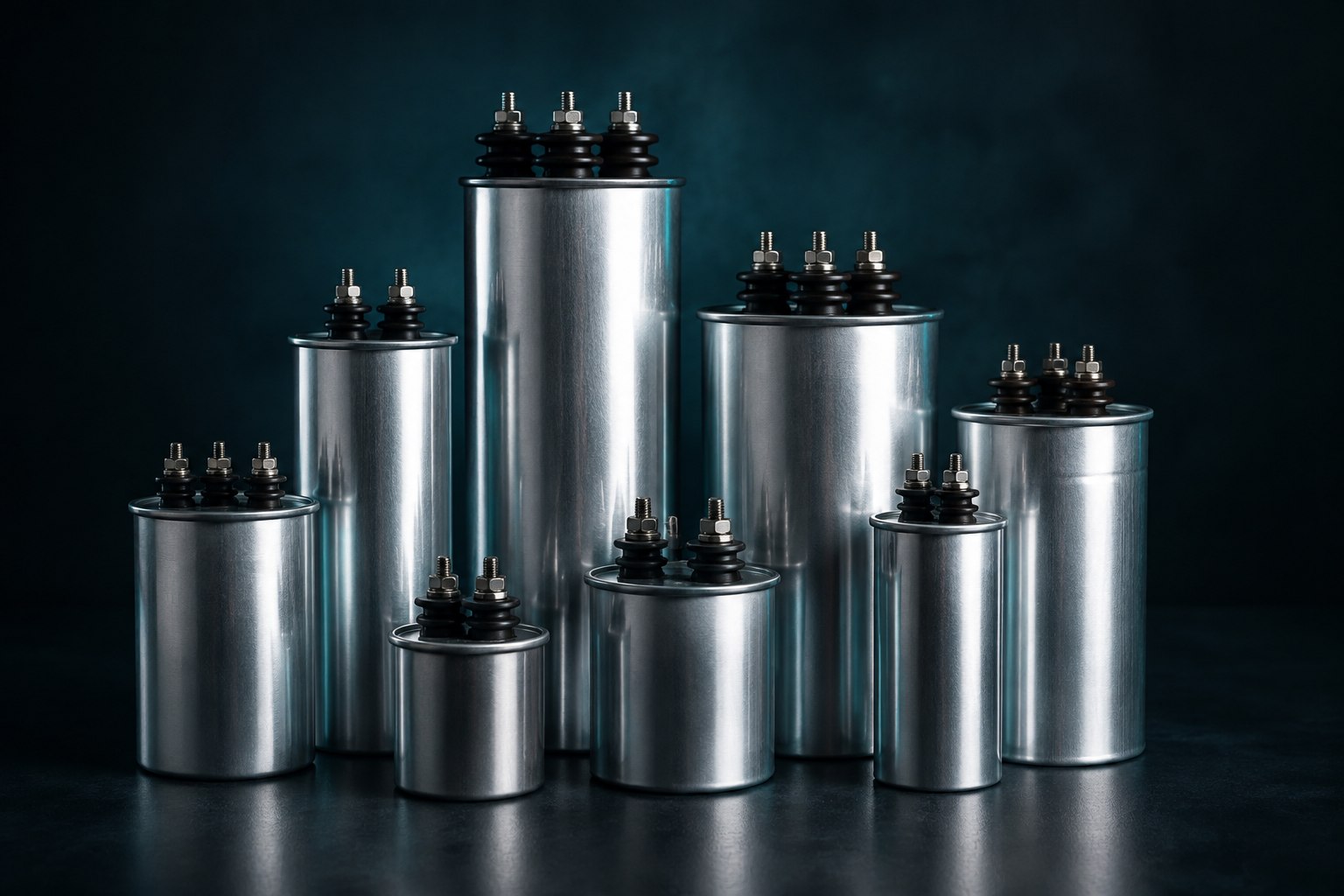
Ambient temperature is not hot-spot temperature
Internal losses can raise the capacitor’s temperature above ambient. Panel air temperature alone may therefore be insufficient. TDK’s CAP Thermal evaluates hot-spot temperature and lifetime using RMS current spectrum, ambient temperature and cooling conditions.
Why current frequency matters
Current magnitude and frequency distribution can both matter. Manufacturer curves for frequency-dependent ESR, impedance and permissible RMS current should be compared with application conditions.
What to look for in a data sheet
Read voltage and temperature limits, current capability and the conditions attached to lifetime claims. TDK’s CLARA tool brings together such information for application-based film capacitor comparison. Selection involves more than matching the µF value.
An estimate is not a guarantee
A model result is meaningful for the entered conditions and the selected capacitor family. Applying one simple temperature rule to every technology can be misleading. Actual selection should follow current manufacturer data.
This article makes no lifetime promise for a particular model. Use the manufacturer’s application-specific calculations and limits.
TDK Electronics — CAP Thermal ↗
TDK Electronics — CLARA ↗
This content provides general information. Electrical installation work requires assessment by qualified technical personnel.
Explore this topic for your installation.
Share your existing system and technical question to discuss consulting.
Request a technical assessment ↗